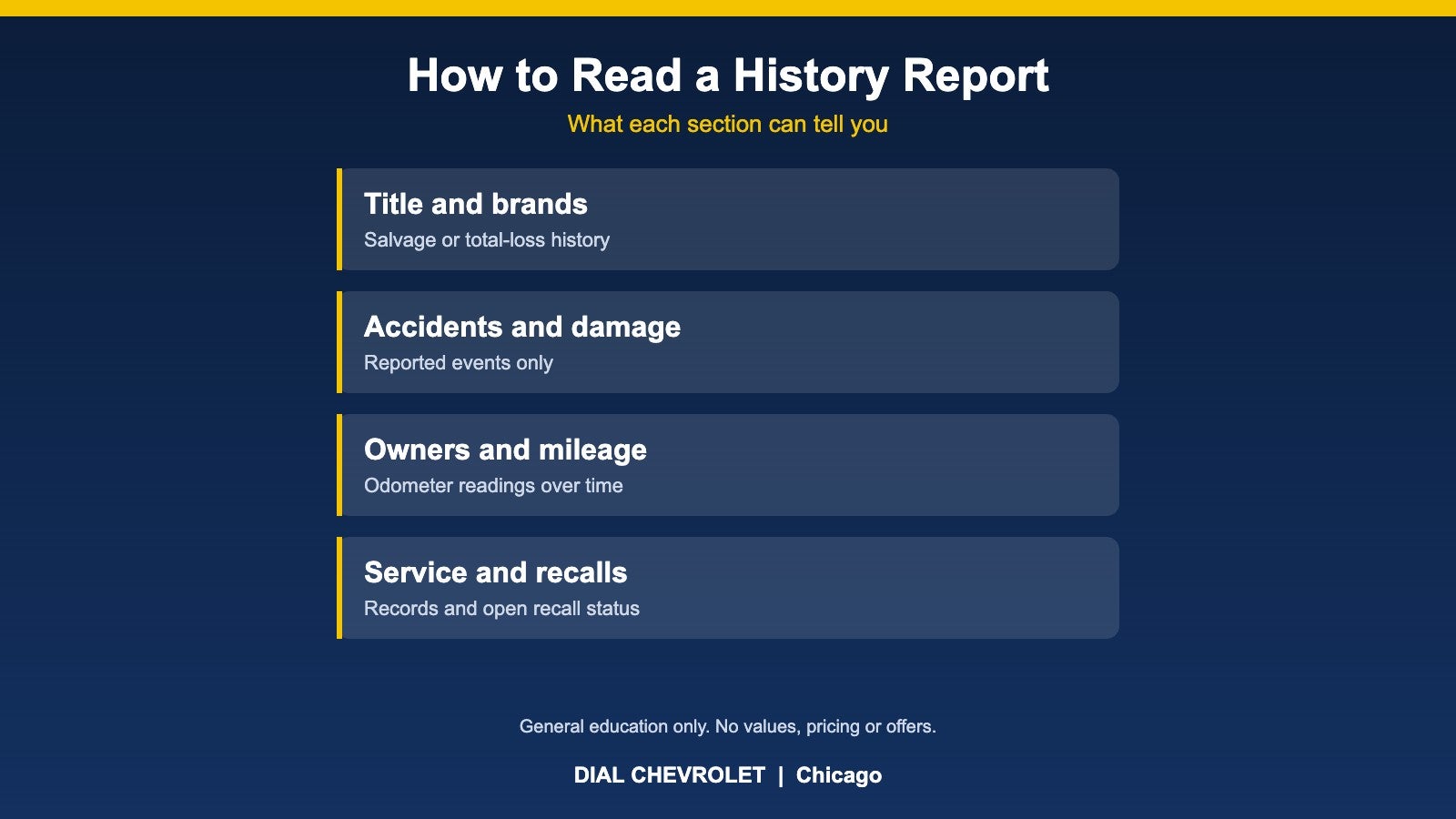
Short answer: a vehicle history report is a record of what has been reported about a used vehicle: title status, accidents or damage, owners, odometer readings, service entries and recalls. It is a helpful starting point, but it only covers what was reported, so it should be paired with an in-person inspection.
Where the Report Comes From
The Federal Trade Commission recommends getting a vehicle history report before buying a used car and notes that reports may include ownership history, accidents, repair records and whether the vehicle was ever declared salvage. The FTC does not endorse any specific provider. The federal National Motor Vehicle Title Information System (NMVTIS) is one source of title and brand data, and commercial report providers combine several sources. Reports differ in layout and in what they include, so the sections below are a general guide.
Title and Brand Status
Read this first. A brand such as salvage or total loss means the vehicle was declared a loss at some point and may need a closer look. Without knowing the brand history, a buyer may pay more than a vehicle is worth or buy one that was not properly repaired. A clean title only means that no brand was reported.
Accidents and Damage
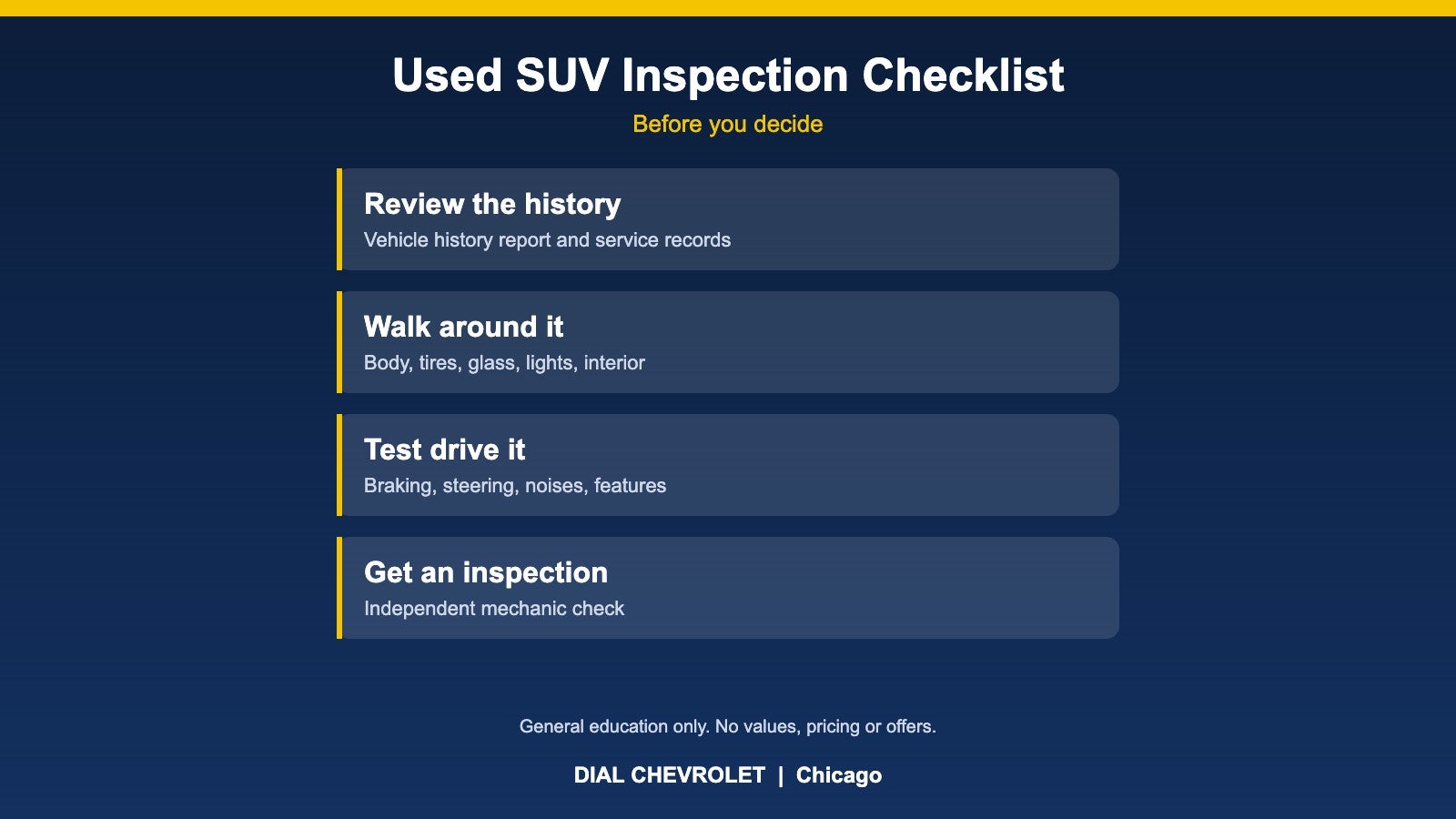
Look at whether any accident or damage events were reported and how they are described. Not every collision is reported, and a report cannot show the quality of a repair. If you see a reported accident, ask for repair records and point it out to the inspecting mechanic. Our used SUV inspection checklist shows what to check in person.
Owners, Registration and Use
The report may show how many owners a vehicle has had and where and when it was titled. A report generally cannot show exactly how a prior owner used the vehicle. Frequent ownership changes are worth asking about, but they are not proof of a problem on their own.
Odometer Readings
Readings recorded at title transfers, inspections or service visits should rise over time. A reading that drops or stays unusually flat can be a sign of an error or a rollback, and is worth questioning.
Service Records and Recalls
Service entries can support the story a seller tells about maintenance, but many routine services never appear on a report. Check open recalls by VIN as well; our recall check guide explains how.
What a Report Cannot Tell You
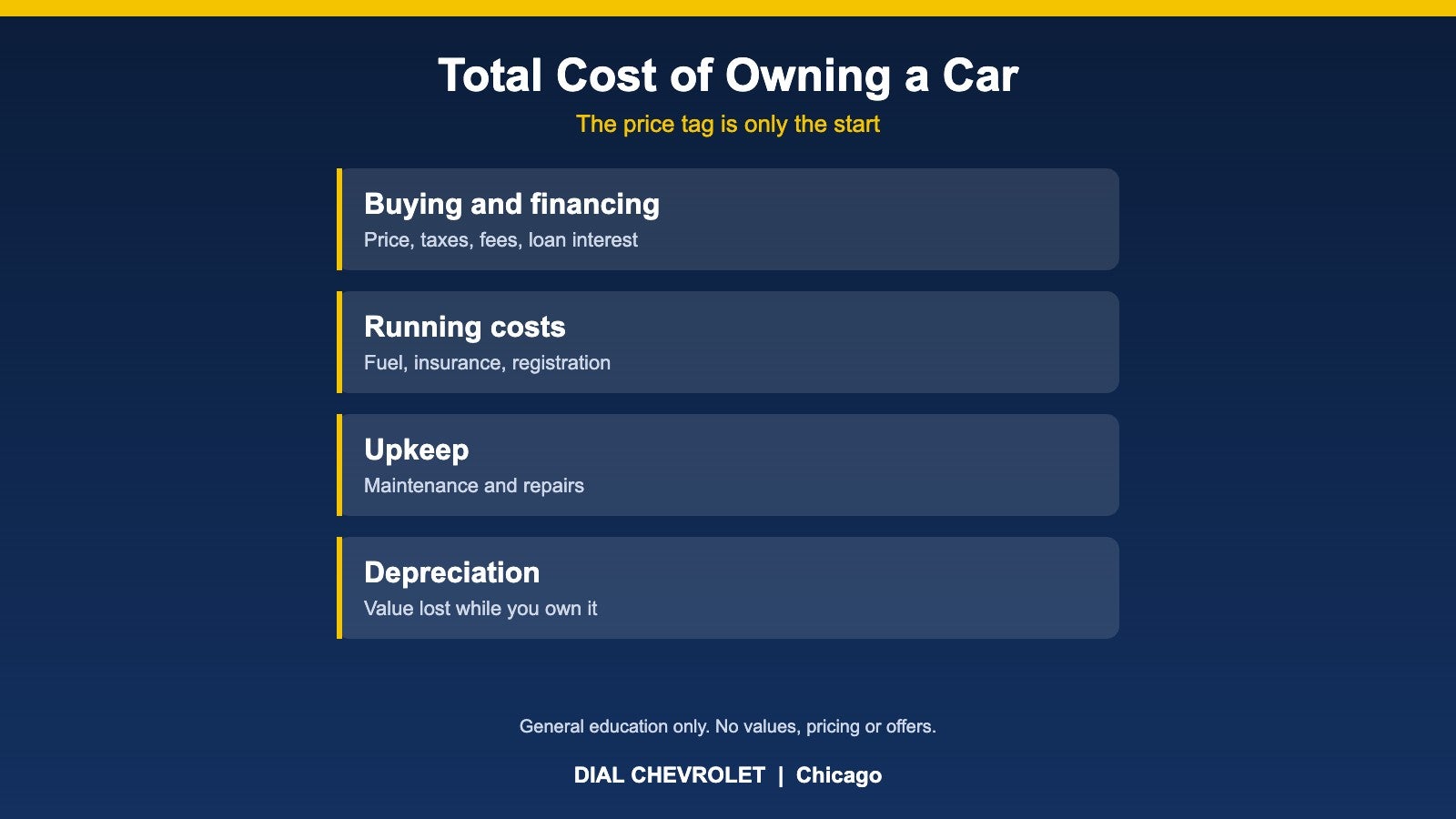
Reports do not measure wear and tear, and they can be incomplete. Treat the report as one input, then add a test drive and an independent inspection. If you are comparing vehicles, our total cost of ownership guide can help with the bigger picture.
Talk to the Dial Chevrolet Team
You can browse used inventory or contact us to ask what documentation is available for a specific vehicle.
Sources
- Federal Trade Commission: Used cars
- NMVTIS: Understanding a vehicle history report
- Chase: What is a vehicle history report?
Published by Dial Chevrolet, 6603 S Western Ave, Chicago. General education only. No vehicle values, pricing, report-provider endorsements or offers are stated.