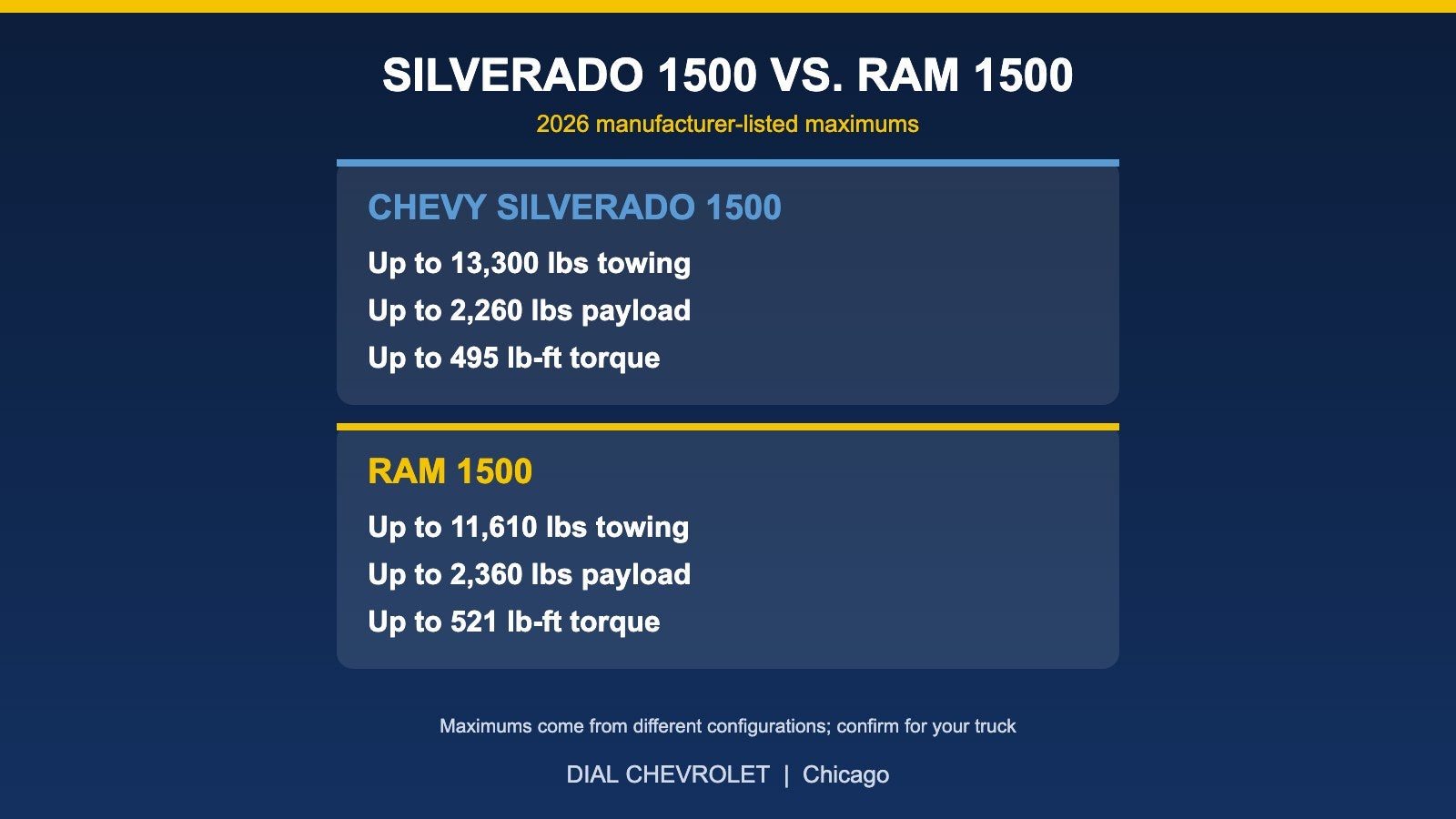
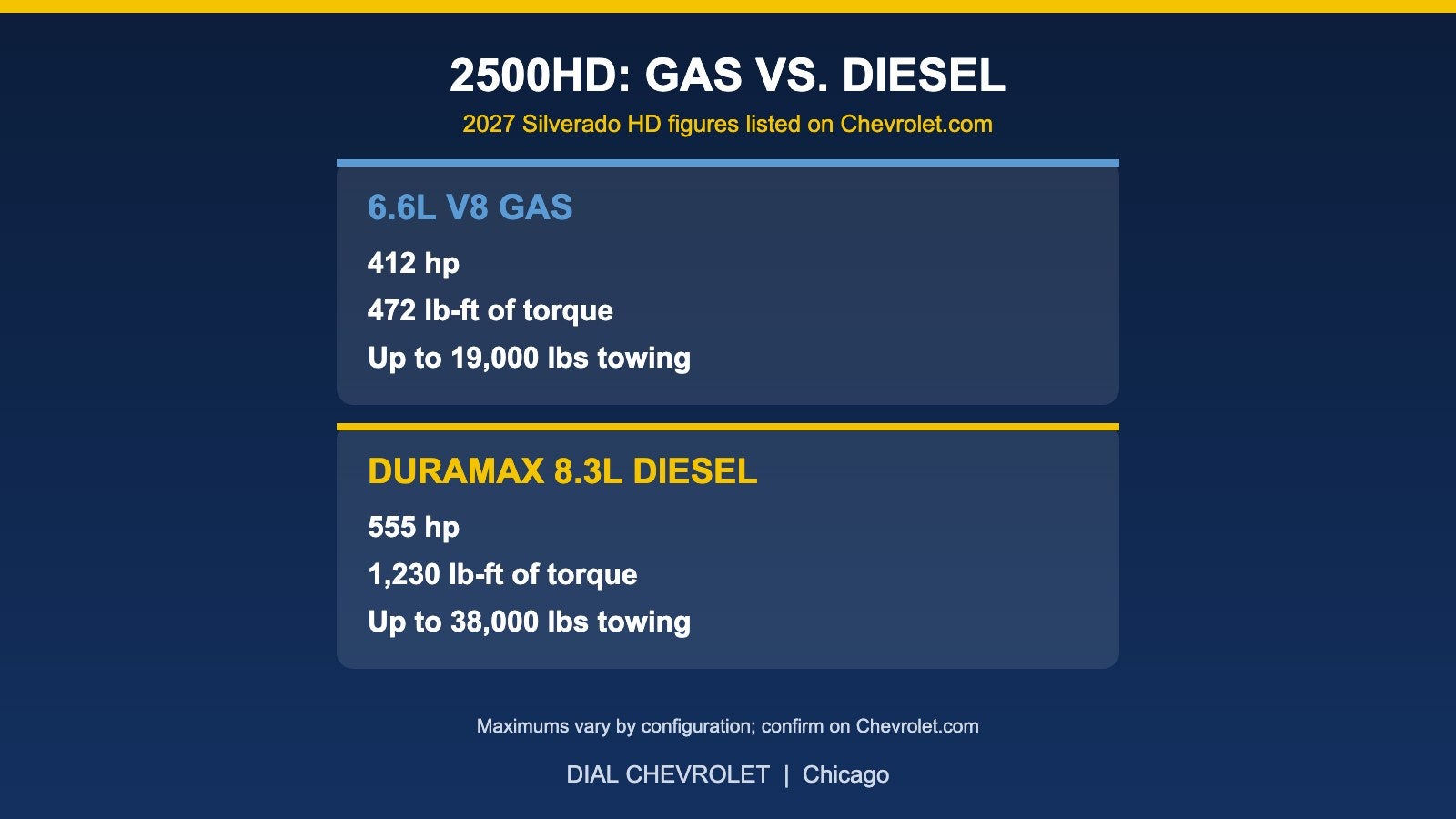
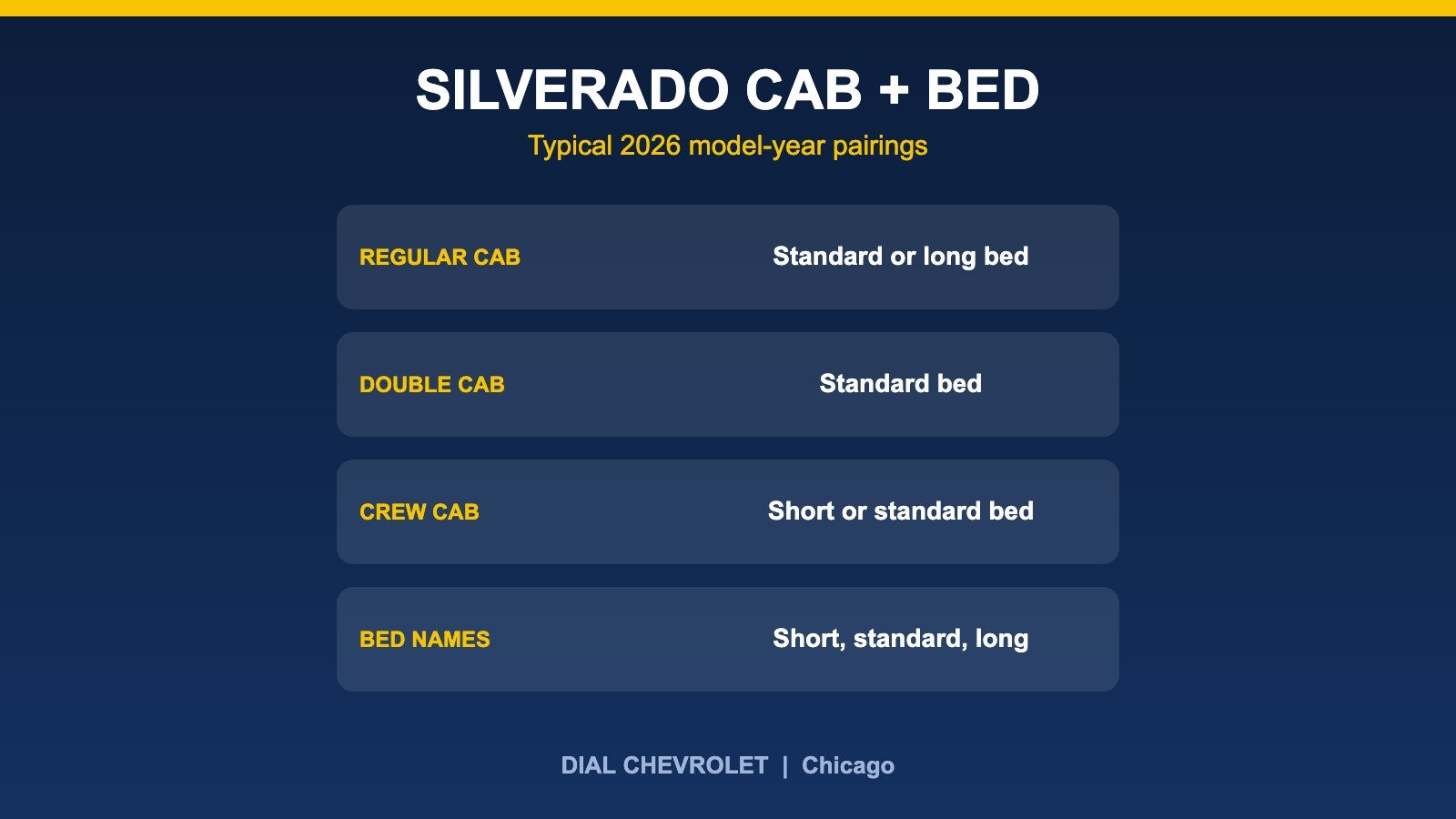
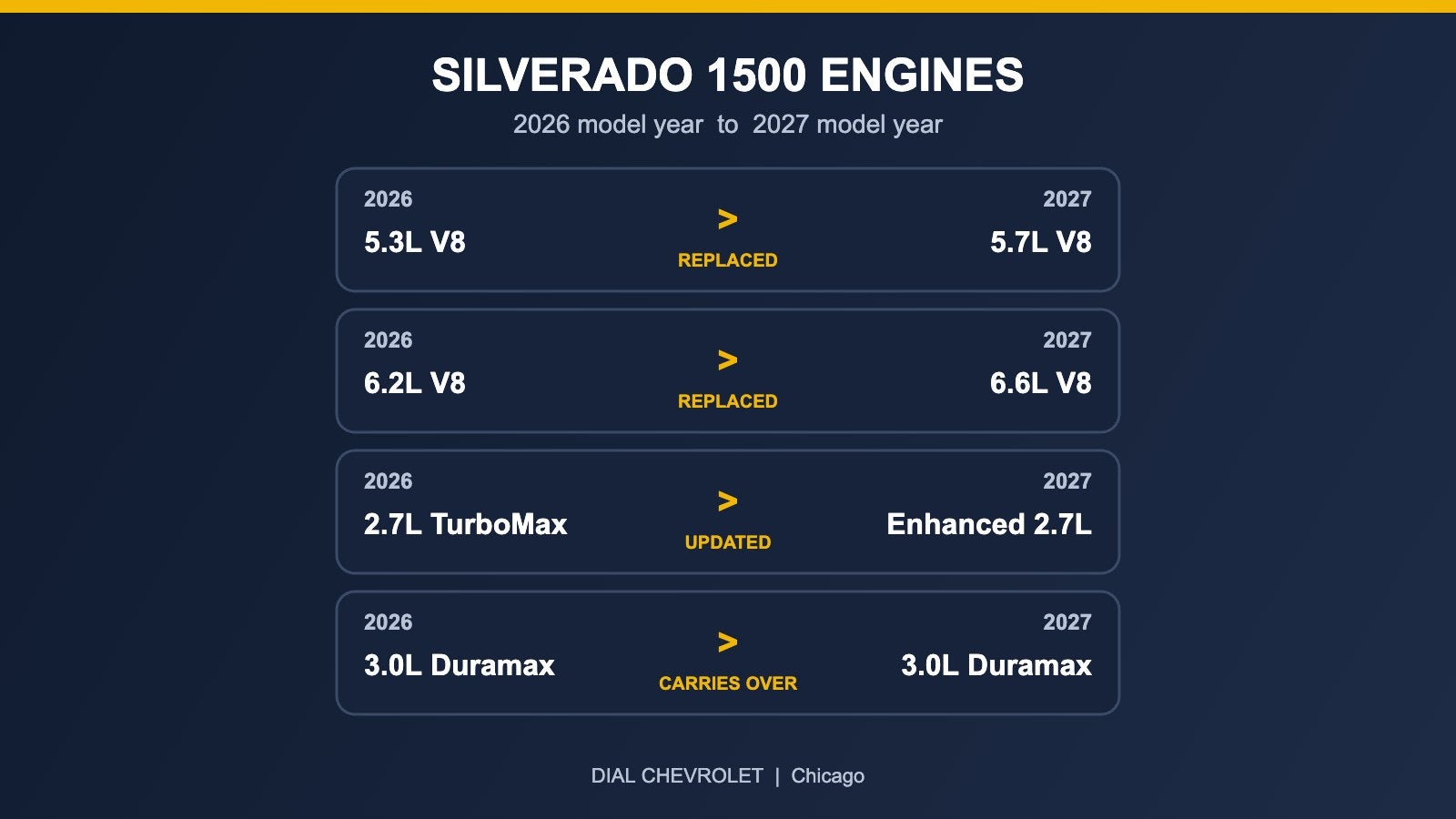
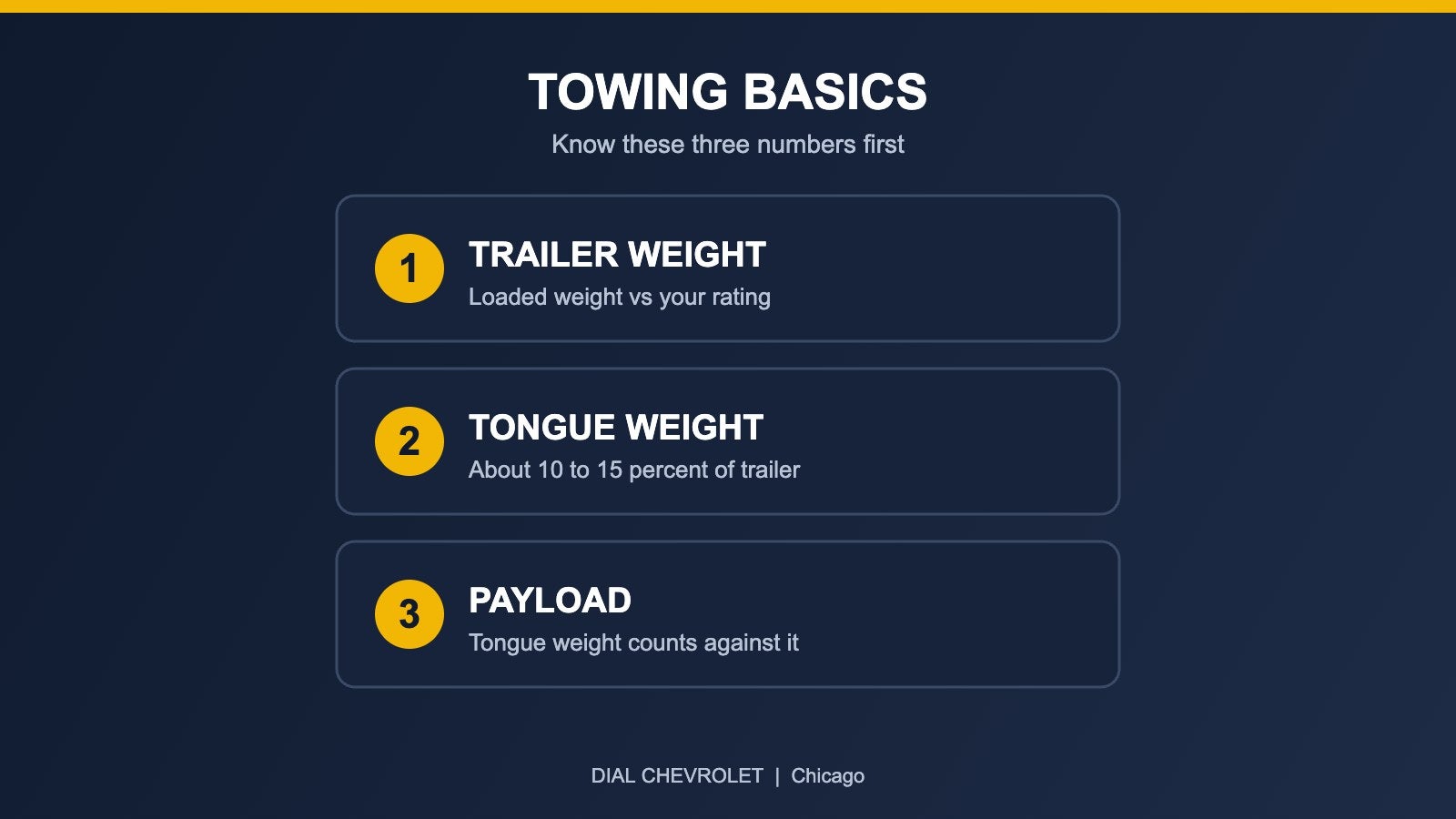
Short answer: A Silverado can only tow safely when three numbers work together: the loaded weight of the trailer, the tongue weight pressing down on the hitch, and the payload left in the truck after passengers and cargo. Chevrolet’s trailering guidance puts tongue weight at roughly 10% to 15% of the loaded trailer weight for a conventional hitch, and that tongue weight counts against the truck’s payload. Your exact limits come from your own truck’s labels and manual, not from a general article. Towing capacity is not the same as your trailer’s real weight A towing capacity figure is the maximum the truck is rated to pull under the conditions Chevrolet used for that configuration. It is not the weight of your trailer. The number that matters on the road is the loaded trailer weight: the empty trailer plus water, fuel, propane, batteries, gear, and whatever is on the deck. Brochure “dry” or “empty” trailer weights leave out everything you add. Weigh the loaded trailer at a public scale when you can, rather than trusting a sticker or a sales sheet. Towing ratings change with engine, axle ratio, cab and bed style, 2WD or 4WD, and trailering equipment, so two Silverados can have very different limits. For how ratings differ by engine on the newest half-ton, see our guide to 2027 Silverado 1500 towing and payload by engine. Tongue weight: the downward push on your hitch Tongue weight is the portion of the trailer’s weight that rests on the hitch ball. Too little and the trailer can sway; too much and it overloads the rear of the truck and lightens the front steering axle. Chevrolet’s trailering guide describes a target of about 10% to 15% of the loaded trailer weight for conventional trailers. A simple example of the arithmetic: a trailer that weighs 7,000 lb loaded would put about 700 to 1,050 lb on the hitch at 10% to 15%. That is the weight to subtract from payload, before anyone gets in the truck. Load heavy items slightly ahead of the trailer axle(s), not behind them, to keep tongue weight in range. Measure it with a tongue weight scale, or have the loaded trailer weighed with and without the hitch supported. If a trailer manufacturer lists a recommended tongue weight, follow it, and never exceed the truck’s hitch rating. Payload: where tongue weight really bites Payload is the maximum weight the truck can carry in the cab and bed. Tongue weight is part of that total, together with the driver, passengers, pets, bed cargo, a tonneau cover, and any hitch hardware. Many drivers run into the payload limit before the towing limit, especially with a full crew cab. Find your payload on the yellow-and-white Tire and Loading Information label on the driver’s door jamb. Add up everything you carry, then add the tongue weight. If that sum is over the payload number, reduce the load or step up to a truck rated for more. Our explainer on Silverado payload walks through the label step by step, and the comparison of the Silverado 1500 vs 2500HD shows when a heavier truck makes sense. Hitch types in plain language Conventional (weight-carrying) hitch: The trailer’s tongue weight sits directly on the hitch receiver and rear axle. It suits lighter trailers, and Chevrolet’s guides list a lower maximum for weight-carrying use than for weight-distributing use. Weight-distributing hitch: Spring bars spread part of the tongue weight to the truck’s front axle and the trailer axles, which helps keep the truck level and steering firm on heavier travel trailers. It must be matched to the trailer and the truck’s rating. Gooseneck and fifth-wheel hitches: These mount in the bed over the rear axle and carry the weight as pin weight, which is a different calculation from tongue weight. They are most often used with heavier trailers and with the heavy-duty trucks. Hitches are also grouped into classes by capacity. Class III receivers cover mid-weight trailers, and Class IV and Class V cover progressively heavier ones, but the class on the receiver is only one link in the chain. The lowest-rated part, whether the receiver, ball, ball mount, or the truck itself, sets your real limit. Truck and trailer factors that change the answer Engine and axle ratio: Different powertrains and gearing change how much the truck can pull and how well it holds speed on grades. Cab, bed and drive configuration: A crew cab with 4WD usually carries more equipment weight, so it often has less payload than a regular cab. Trailering package: Factory trailering equipment and the right hitch receiver matter. Ask which equipment your truck has before you buy a trailer. Trailer brakes: Heavier trailers need working trailer brakes and a compatible brake controller. State and provincial rules on trailer brakes vary, so check the rules where you drive. Conditions: Hills, wind, heat and highway speed all reduce the margin. Chicago-area stop-and-go traffic and expressway merges ask more of brakes and cooling than a flat test route. Pre-trip towing checklist Confirm your truck’s payload and trailering information from the door-jamb labels and the owner’s manual. Get the loaded trailer weight from a scale, and estimate tongue weight at 10% to 15%. Check that tongue weight plus passengers and cargo is under payload. Match the ball, ball mount and receiver to the trailer weight, and confirm the ball size fits the coupler. Latch the coupler, lock the pin, cross the safety chains under the tongue, and attach the breakaway cable. Connect the wiring and test brake lights, turn signals and trailer brakes before pulling out. Set tire pressures on the truck and trailer, and check the lug nuts. Adjust mirrors so you can see along both sides of the trailer. Do a short low-speed test: the trailer should feel stable, and the truck should sit level. Find the right Silverado and get it set up If a towing job is why you are shopping, start with the weight you actually tow, then look at trucks that clear it with room to spare. We also help with hitches, wiring and towing accessories, and with service on the truck you already own. Browse new Chevrolet inventory Browse used inventory Value your trade-in Schedule service Order parts and accessories Contact Dial Chevrolet If you are still choosing a trim, our Silverado 1500 trim levels guide explains how the trims differ. Sources GMC Life: What is tongue weight? California DMV: Towing a trailer or recreational vehicle U-Haul: Hitch selection guide Chevrolet Trailering Guide and your truck’s owner’s manual for the model year you own. Ratings differ by model year, so use the guide that matches your truck. Published by Dial Chevrolet, 6603 S Western Ave, Chicago, IL. General education only. Ratings and limits vary by model year and configuration; confirm yours in your owner’s manual and the vehicle labels. This guide does not list prices or offers.